



This store requires javascript to be enabled for some features to work correctly.


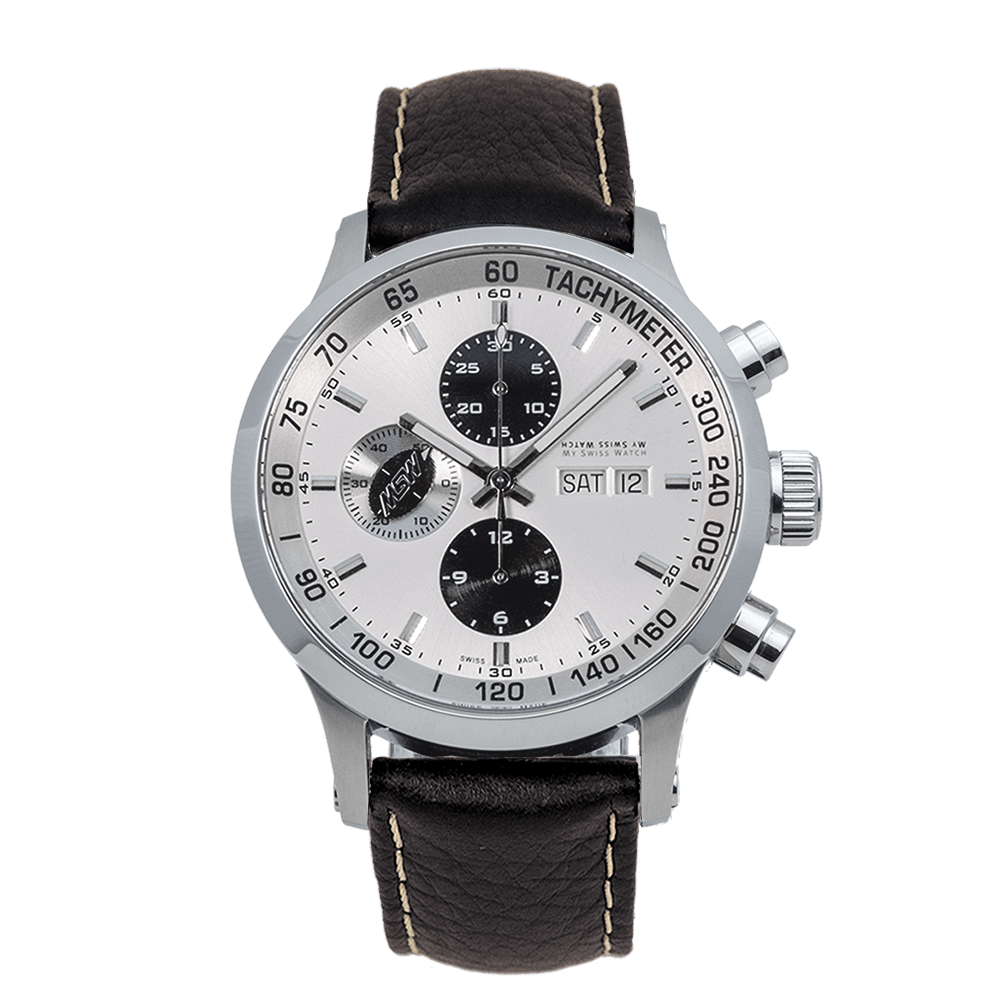
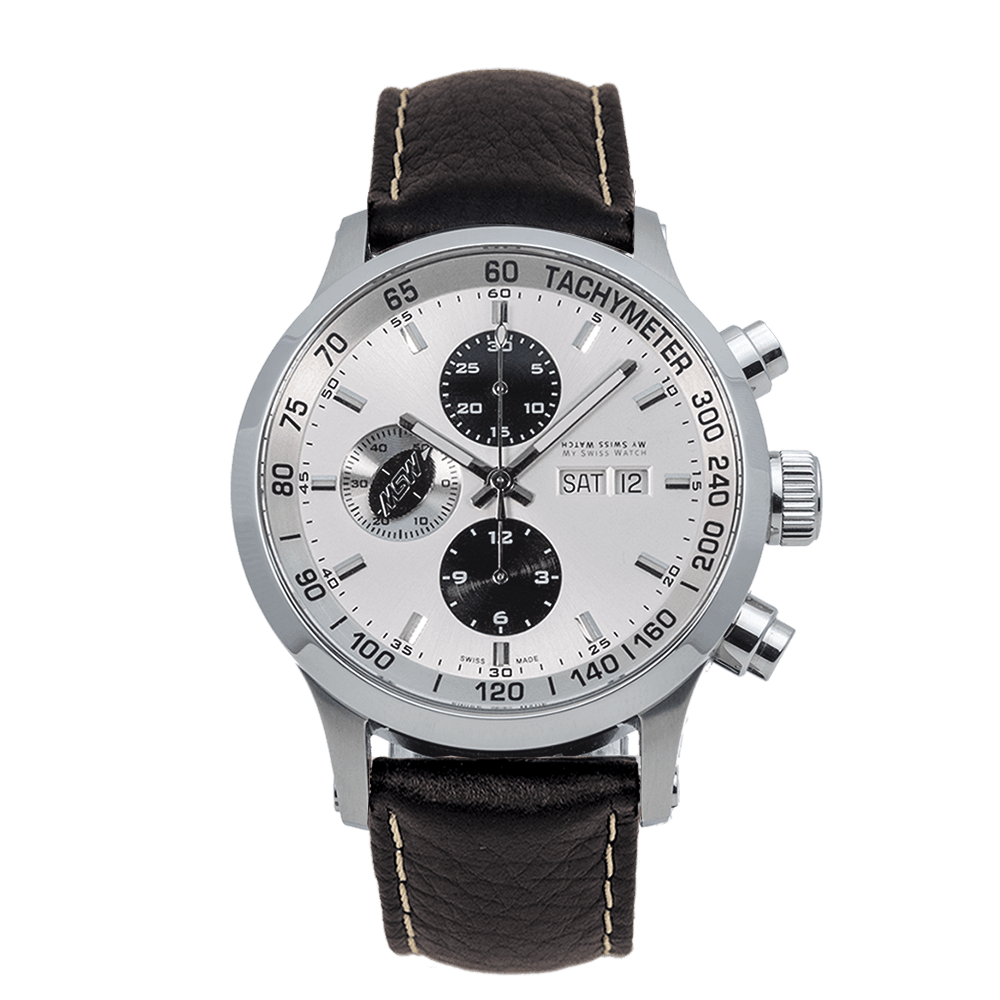
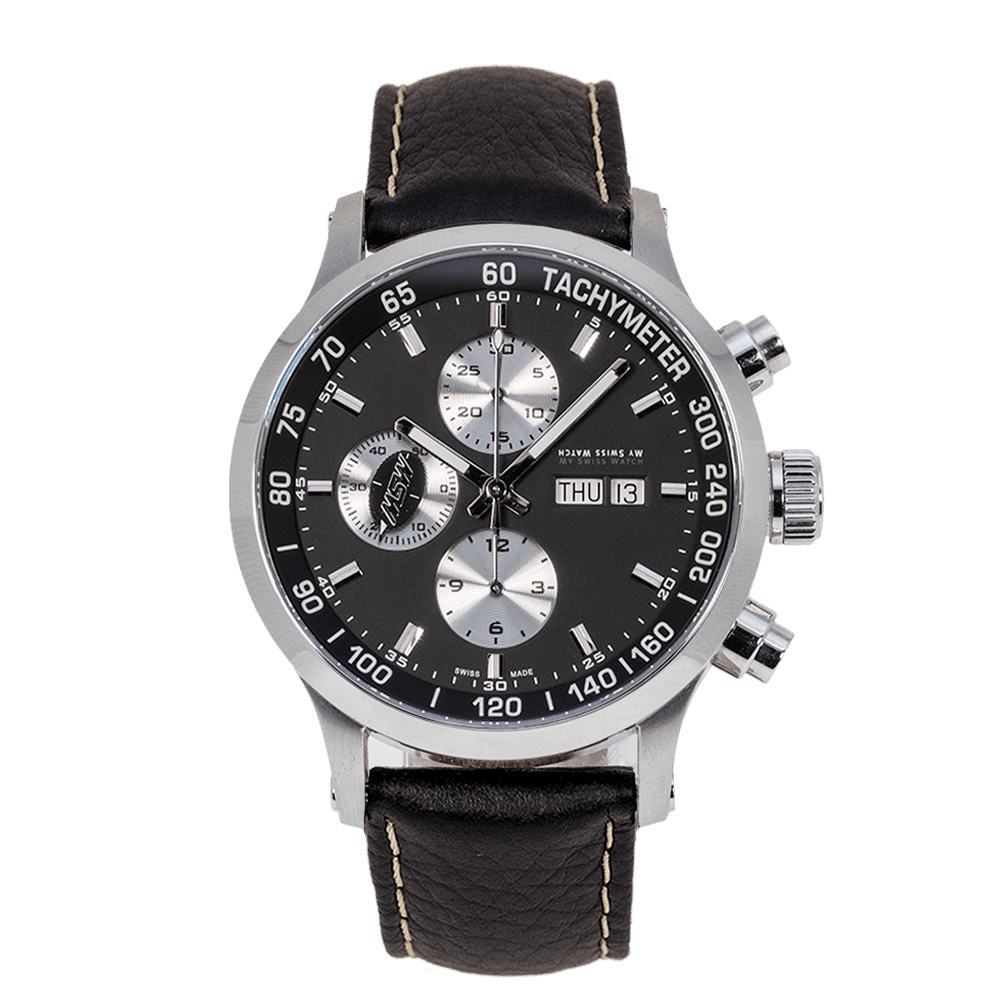
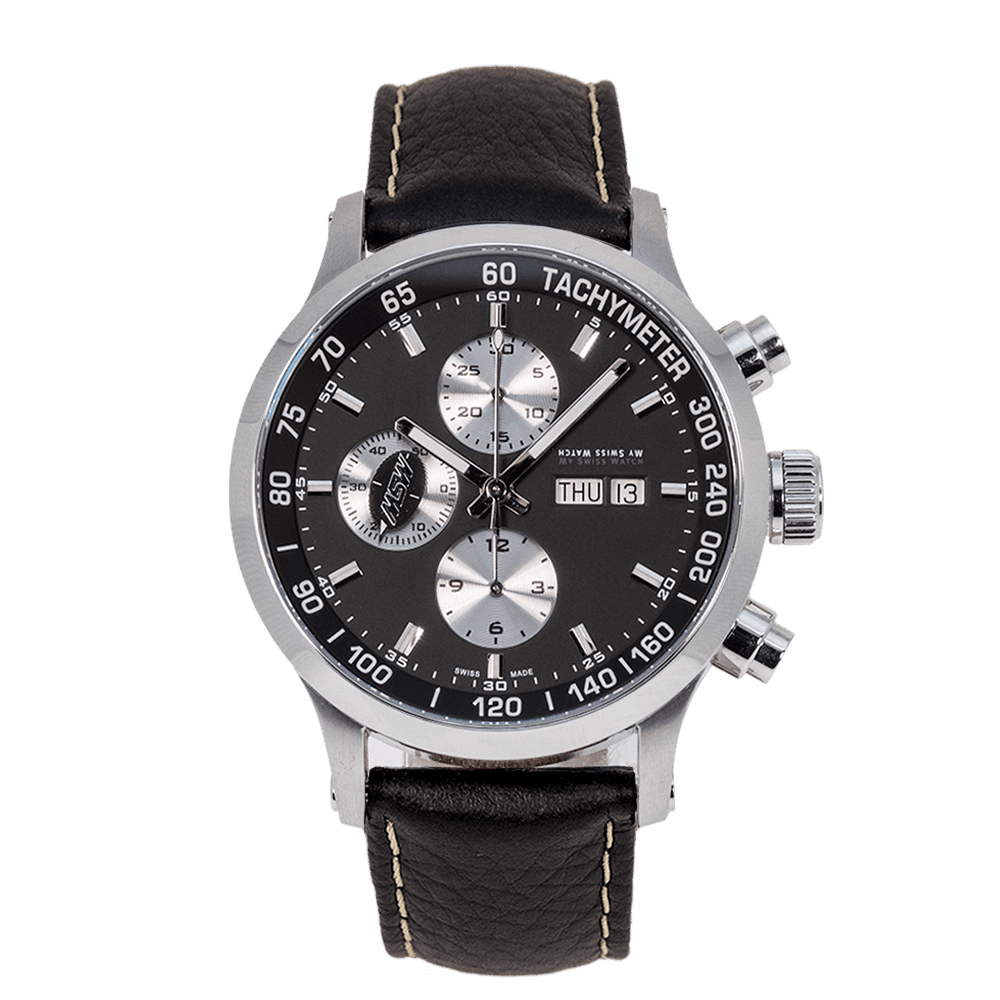
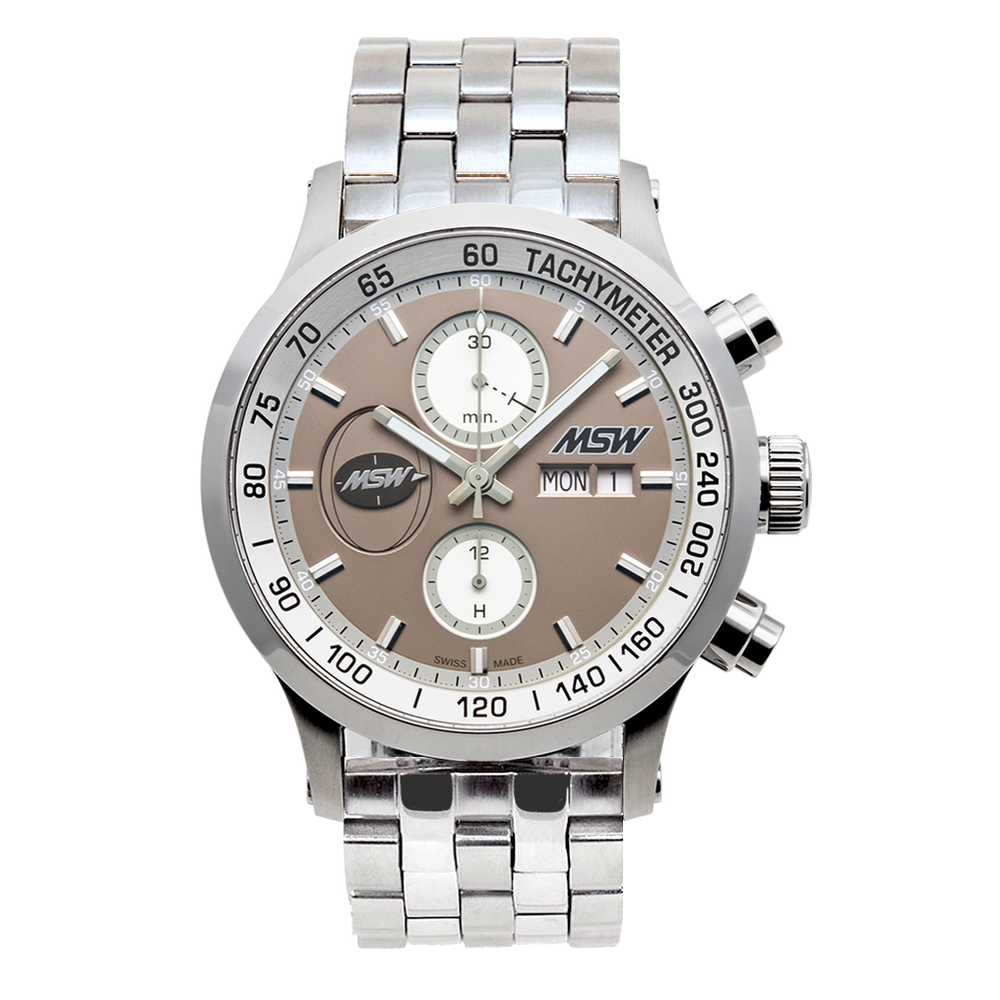
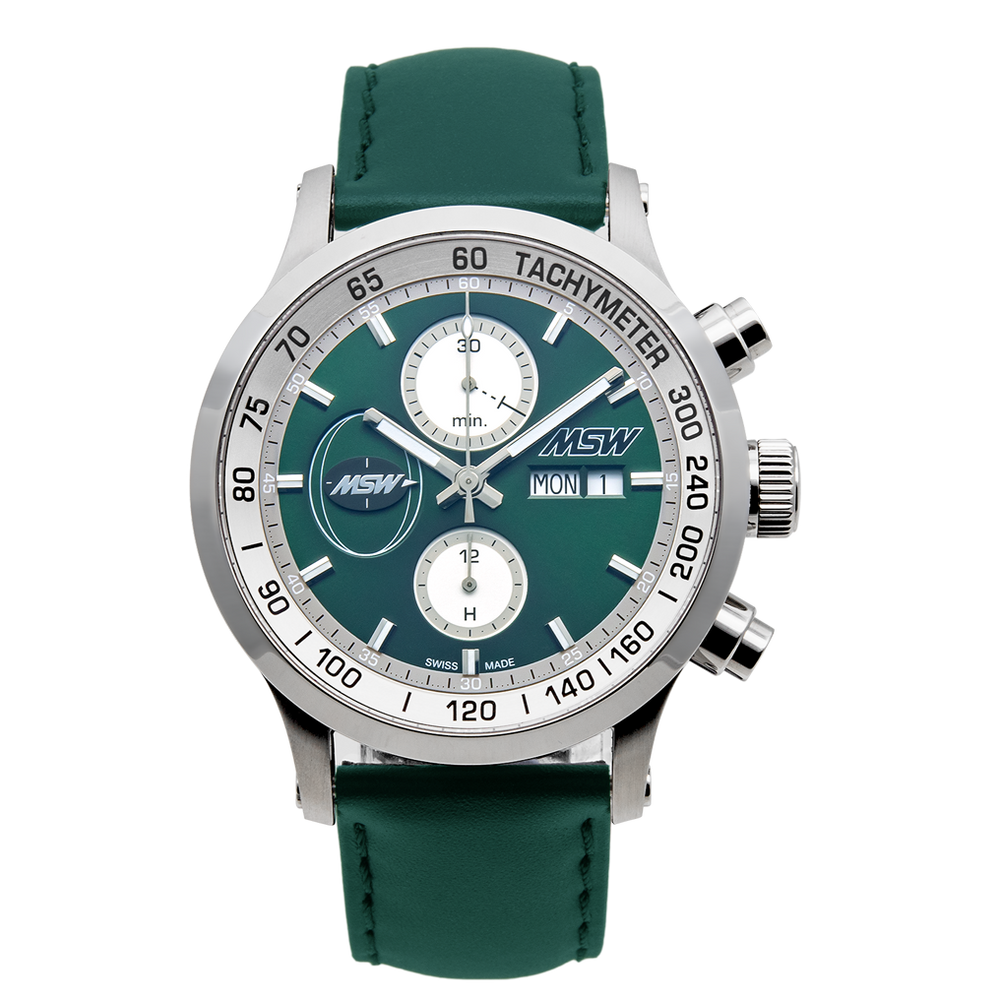
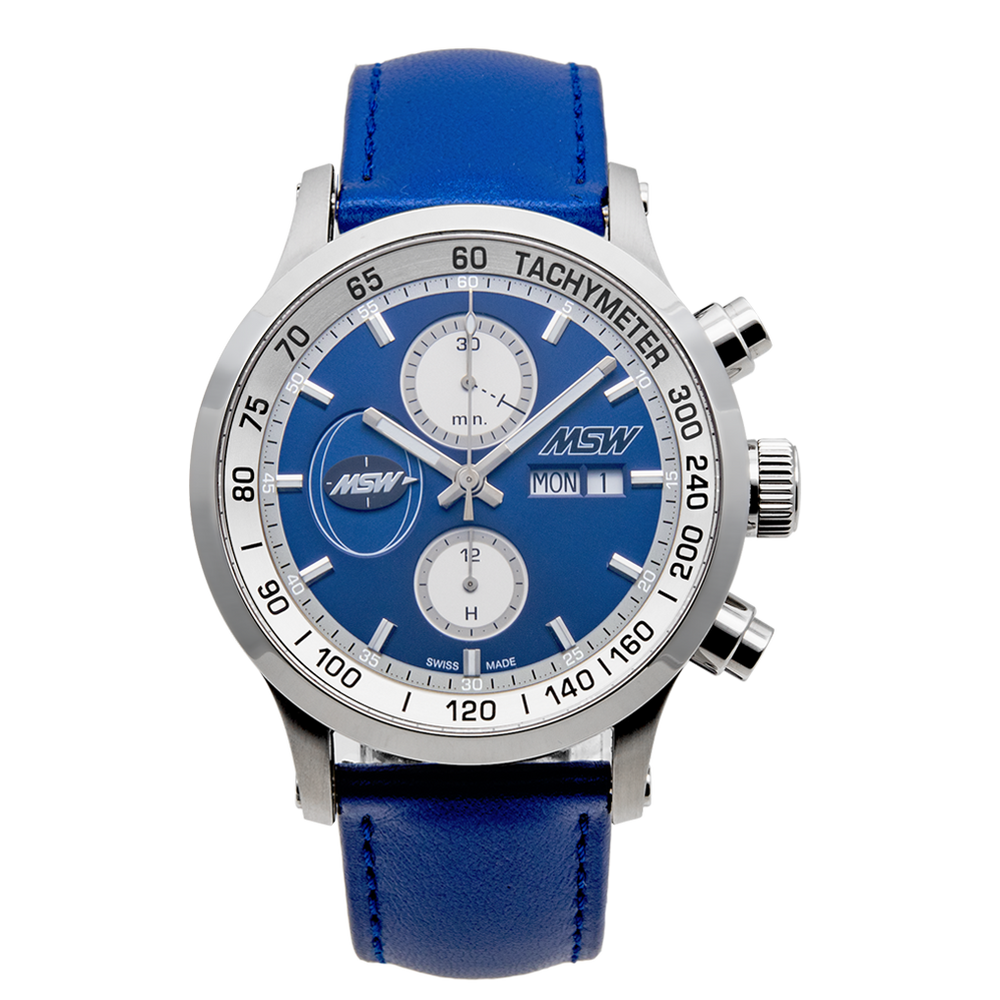
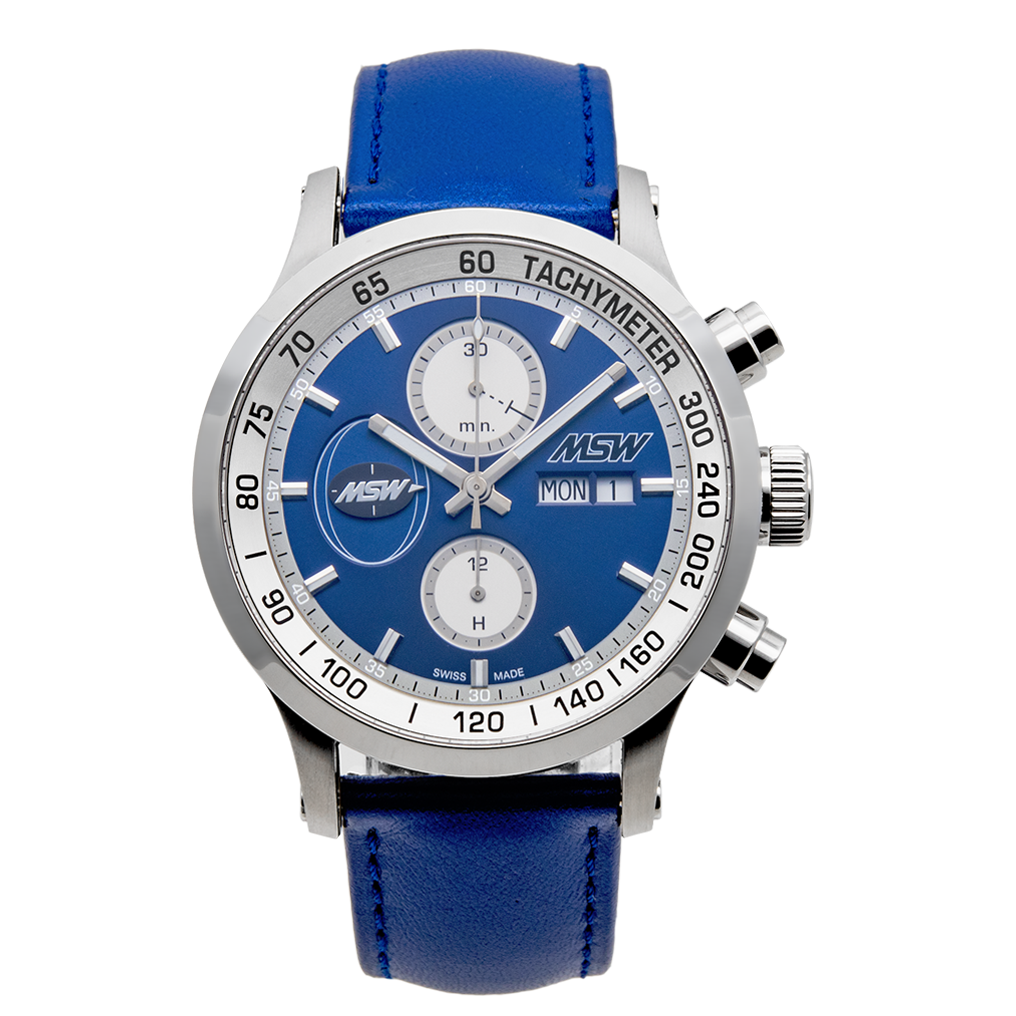
MSW Flanker Sport
MSW Flanker Sport
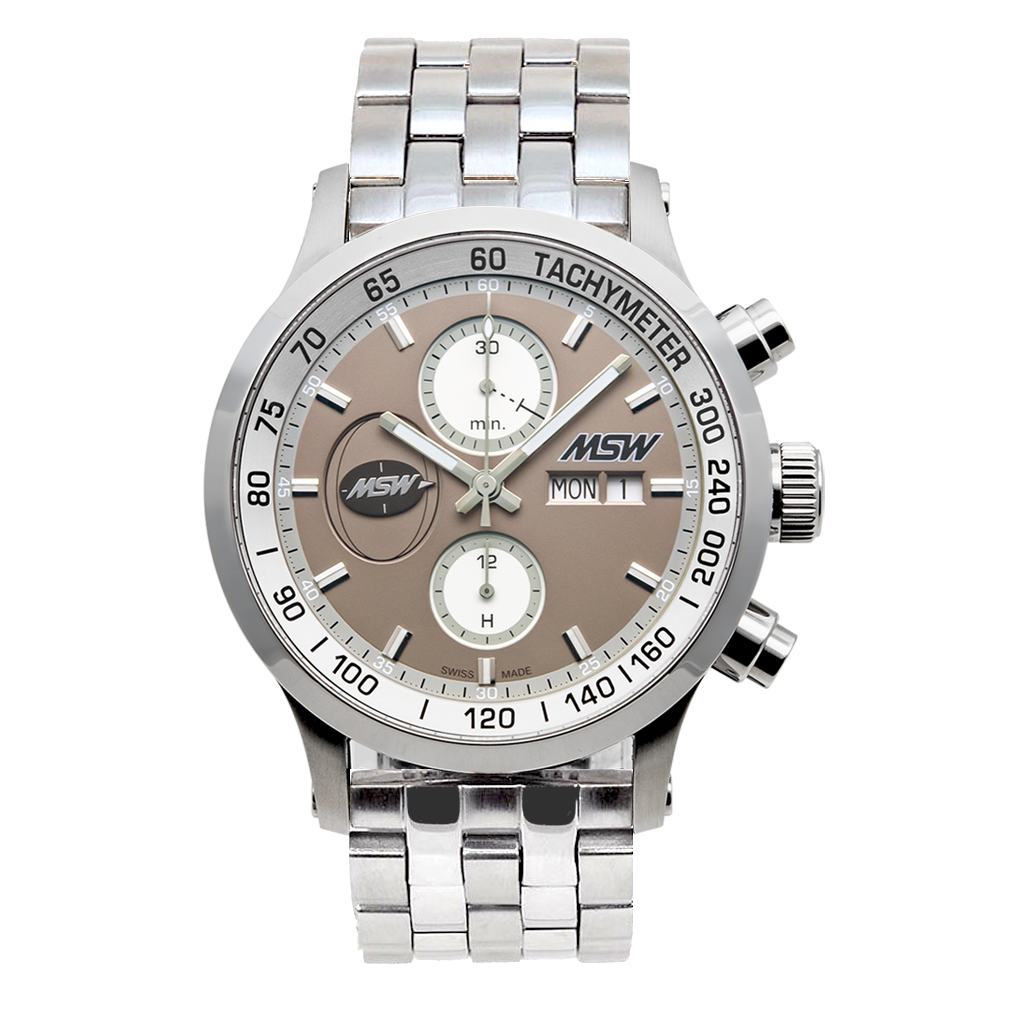
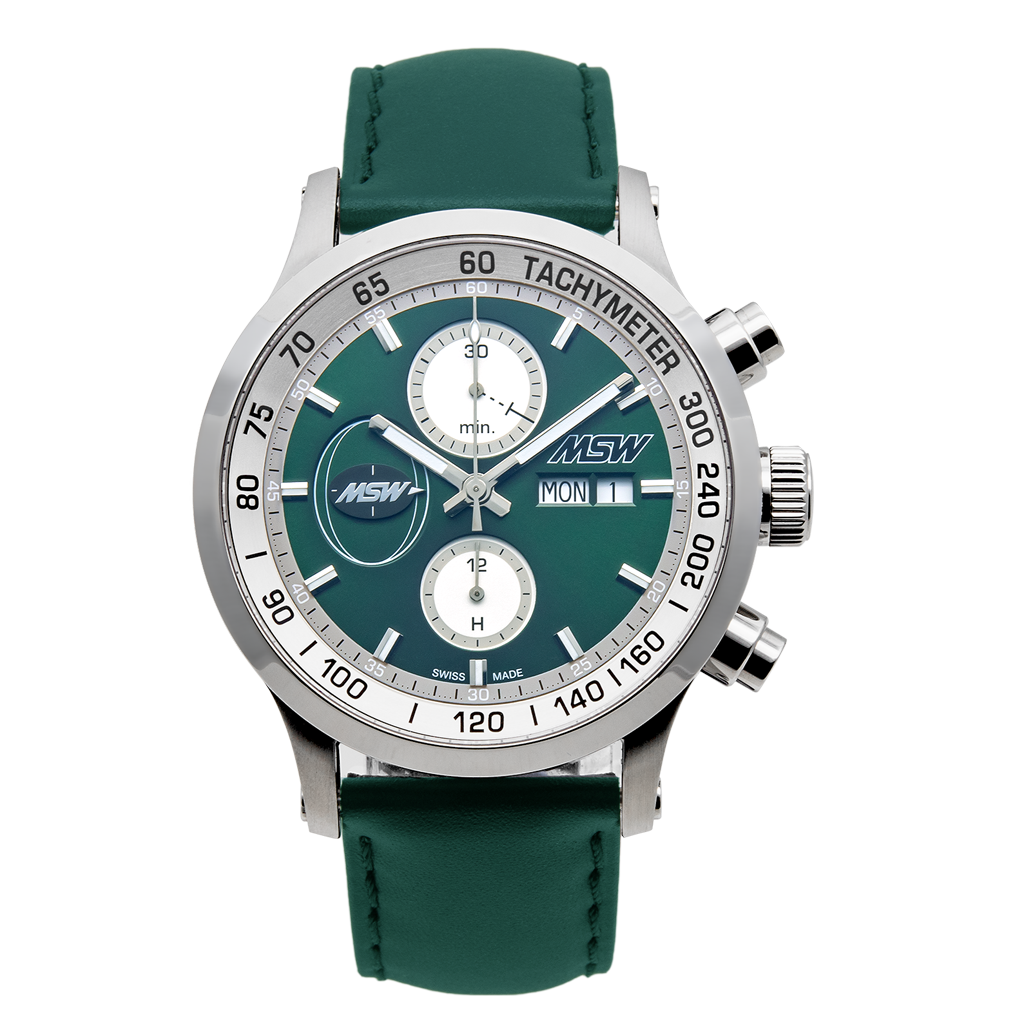
MSW Flanker Sport
MSW Flanker Sport
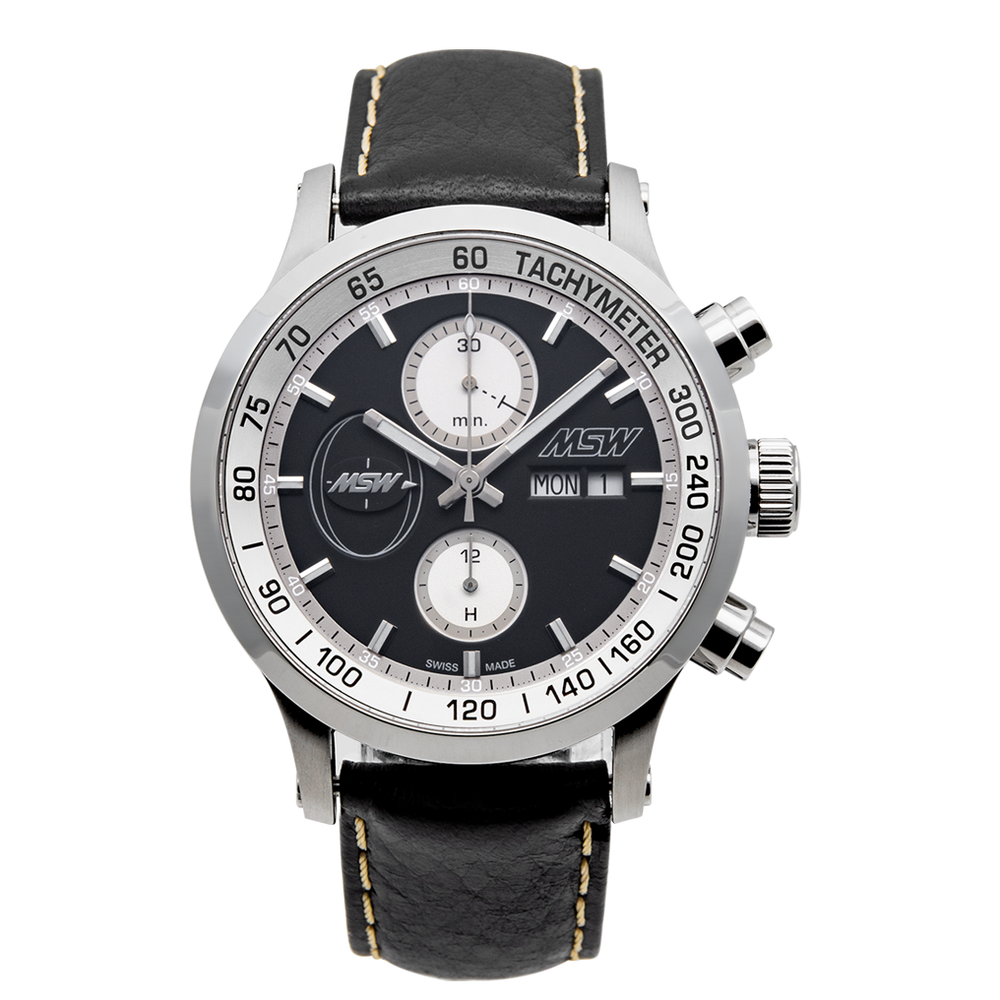
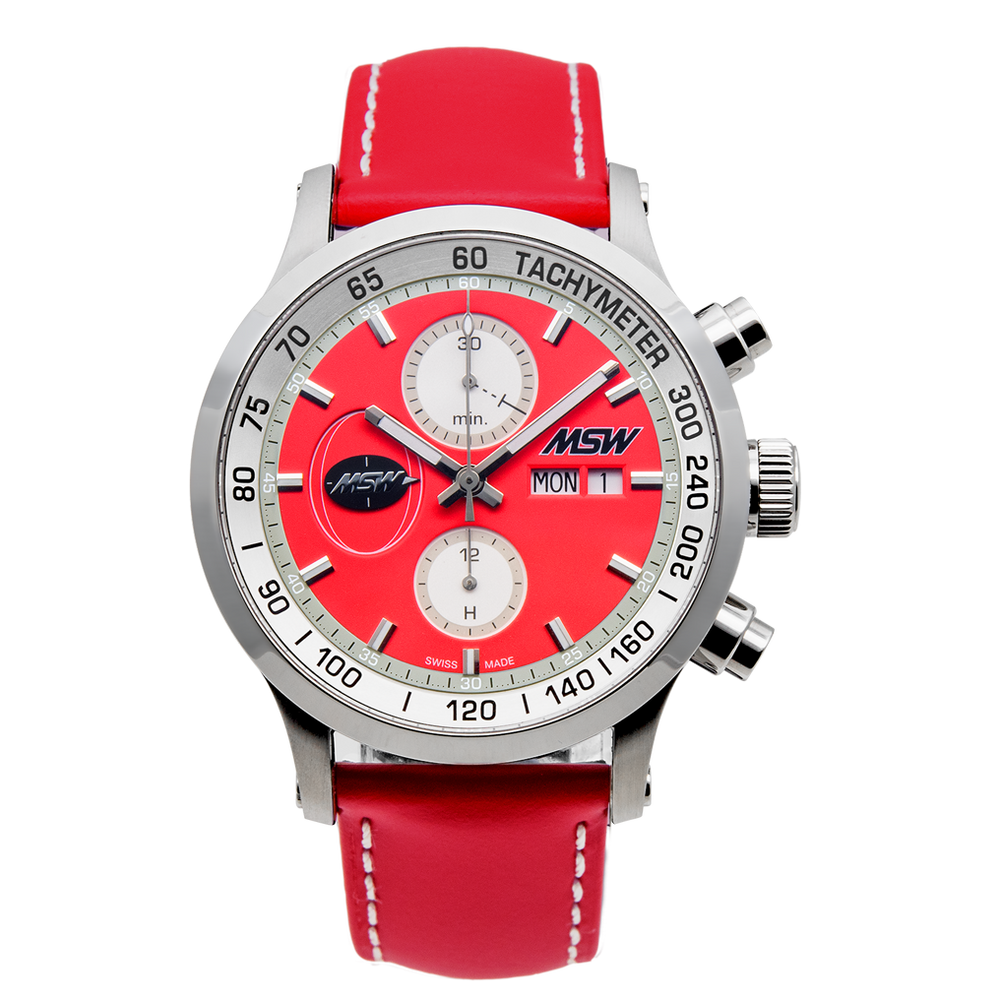
MSW Flanker Sport
MSW Flanker Sport
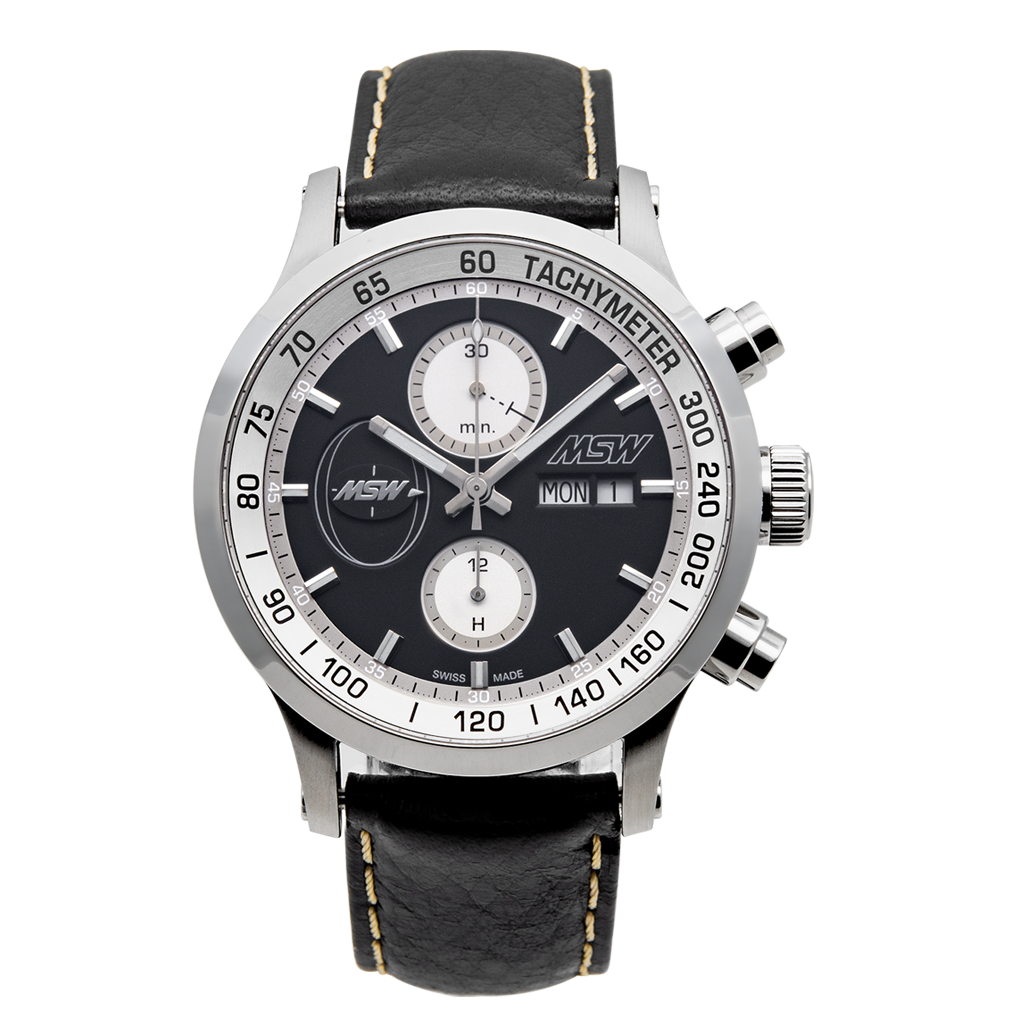
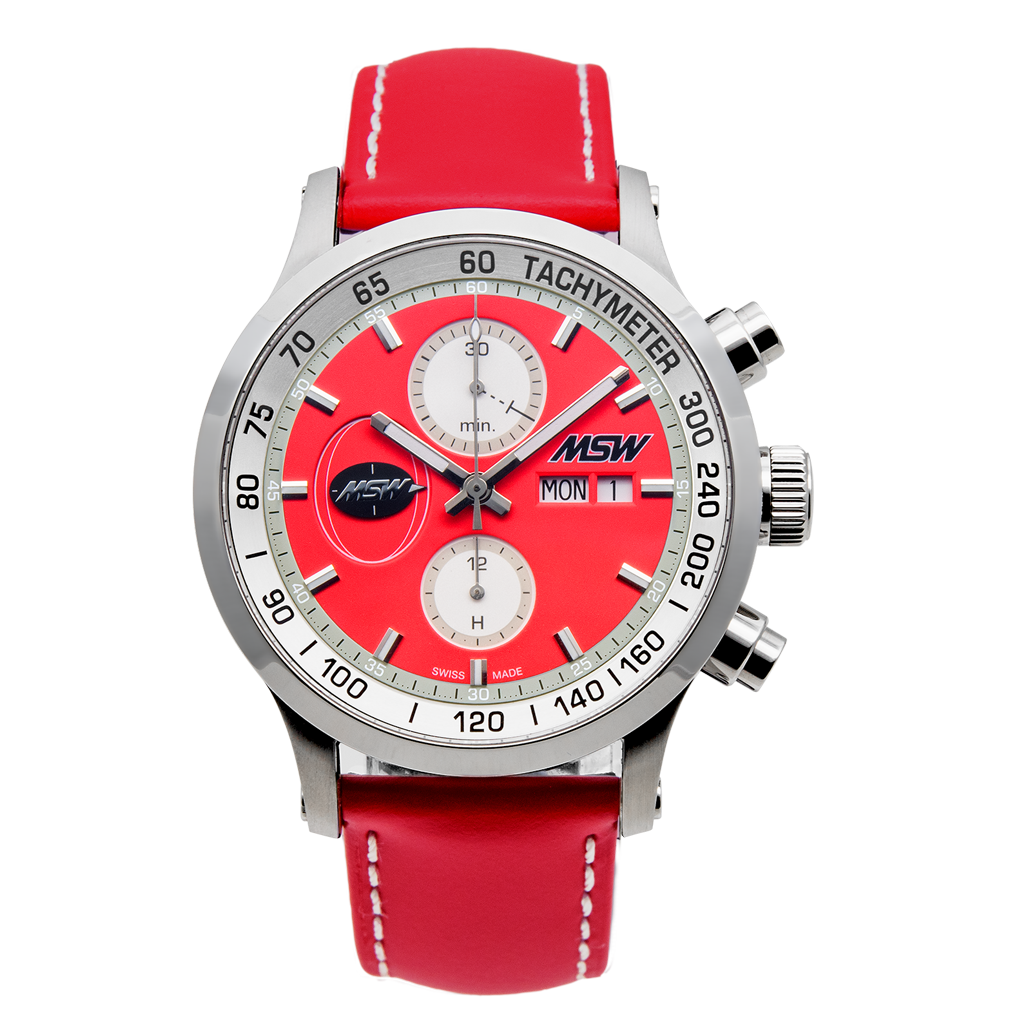
MSW Flanker Sport
MSW Flanker Sport


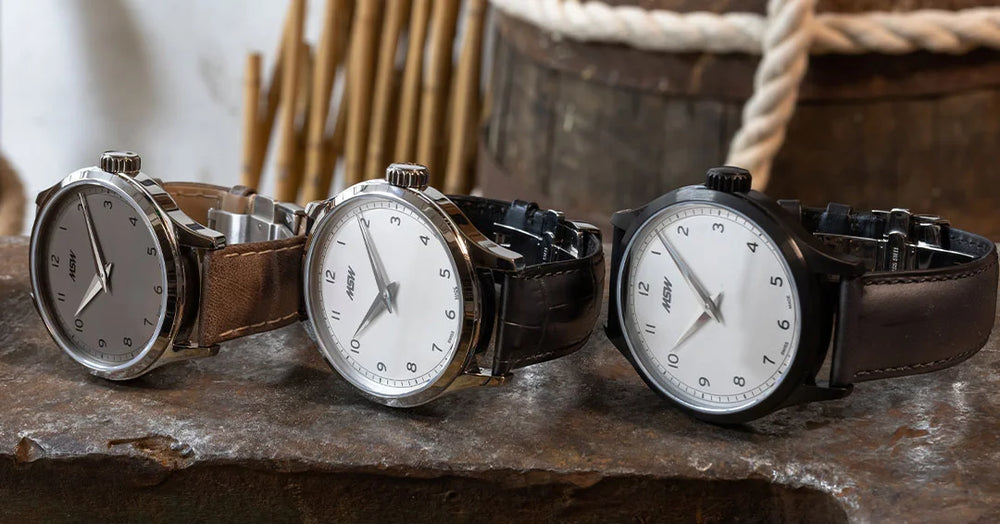
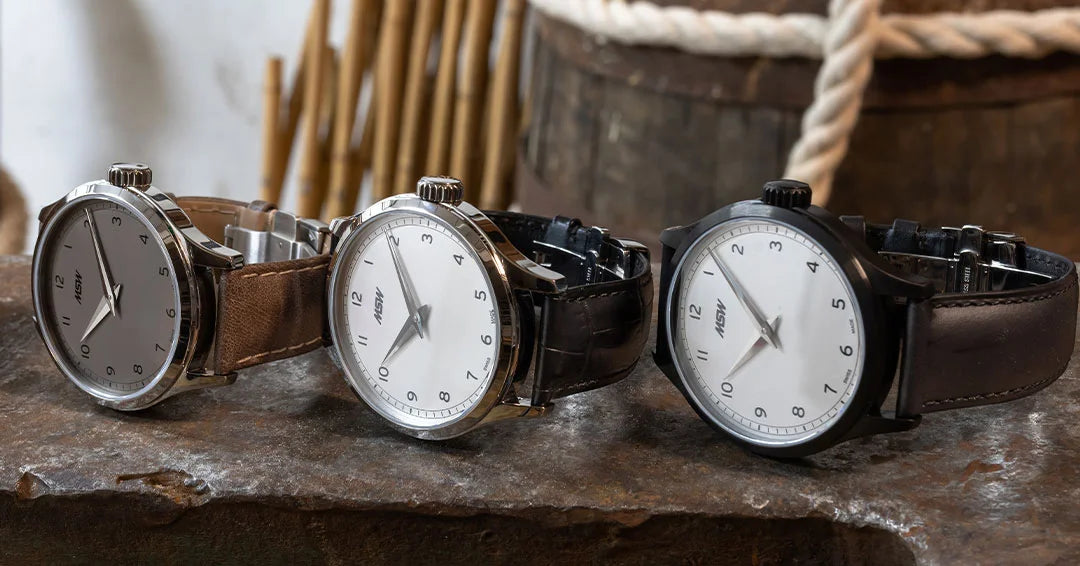
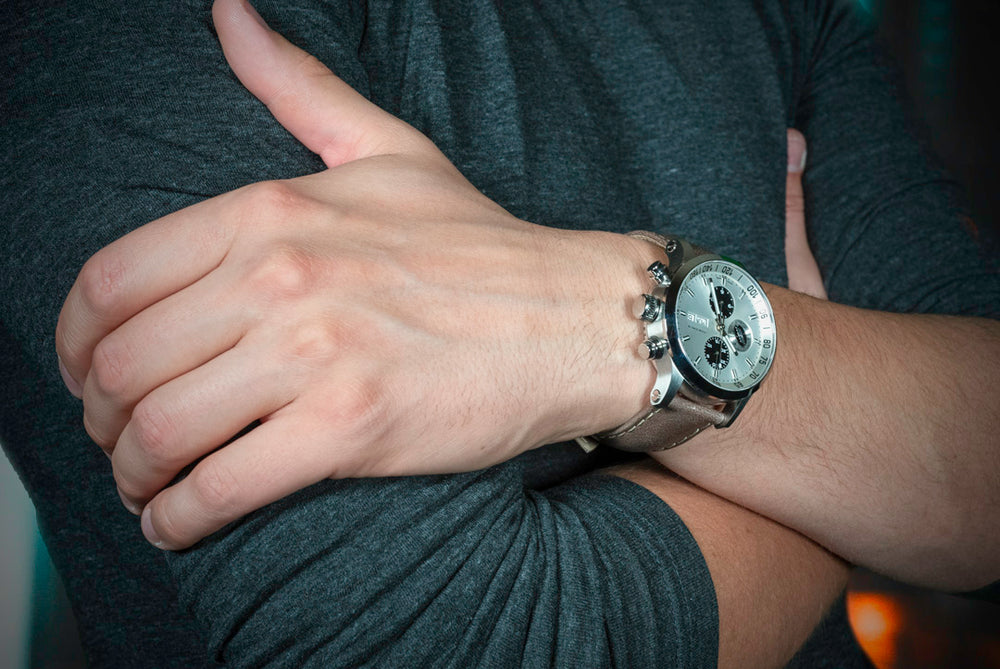
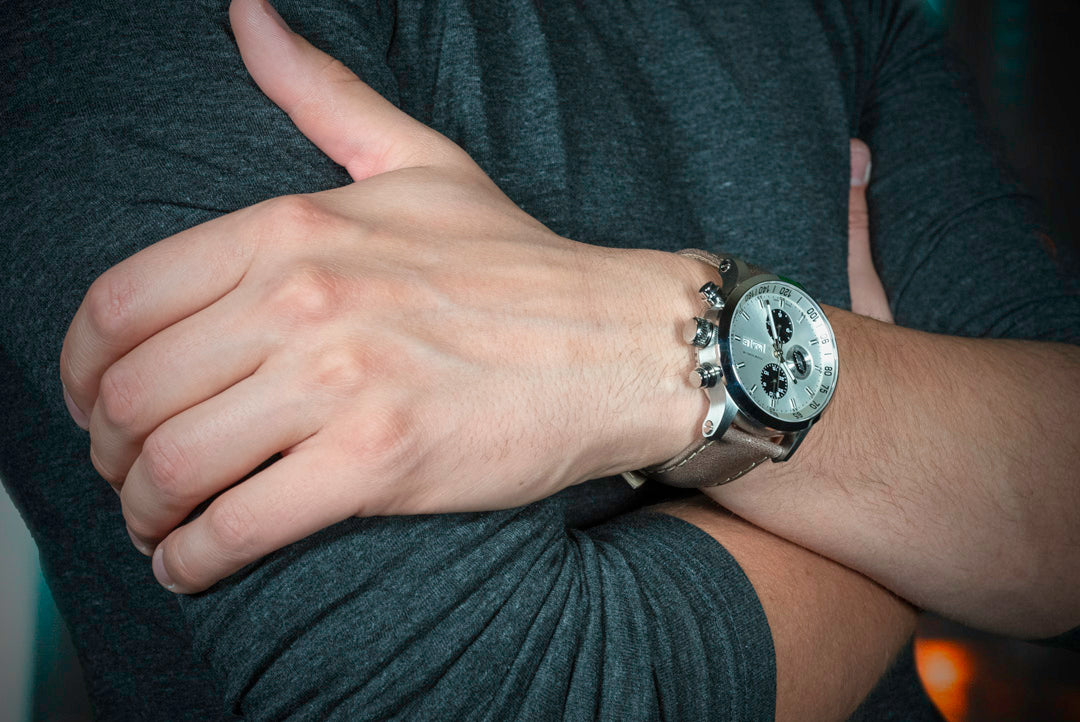
MSW Flanker XB01
MSW Flanker XB01
MSW Field Grandad
MSW Field Grandad
MSW Field Grandad
MSW Field Grandad
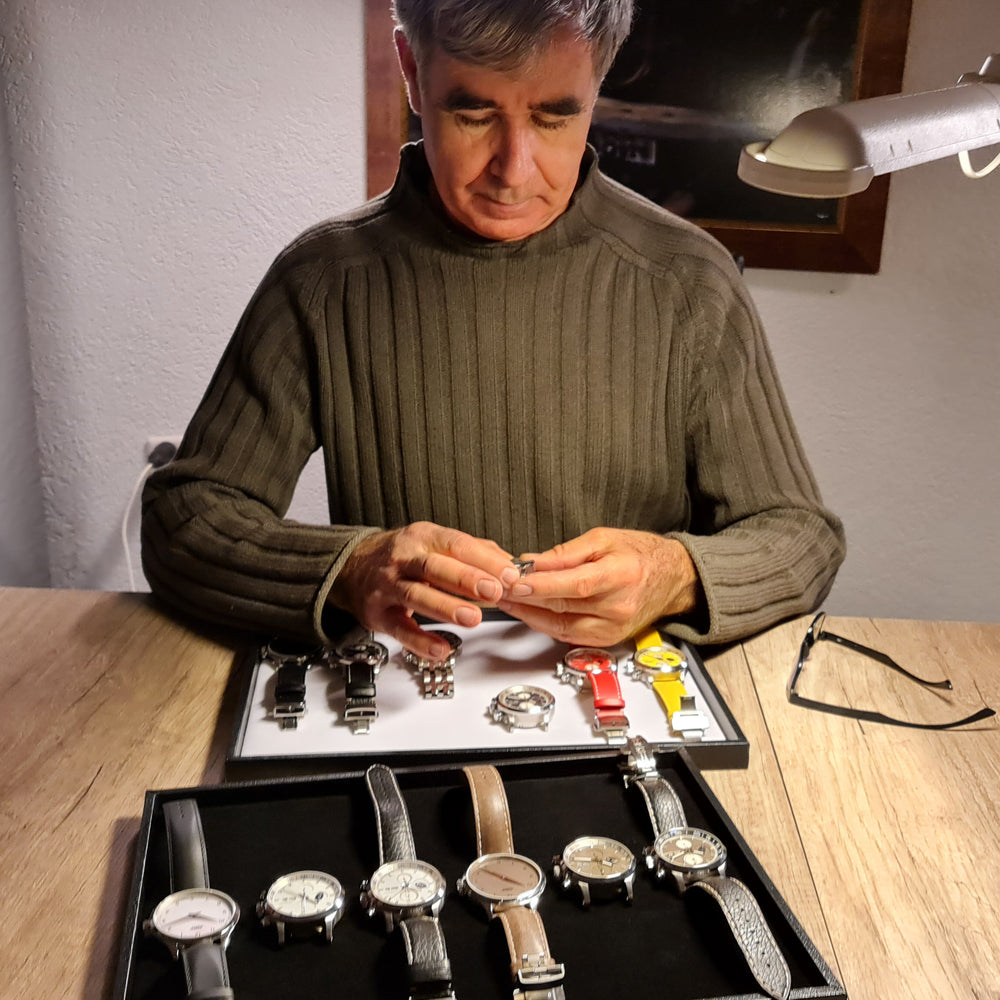
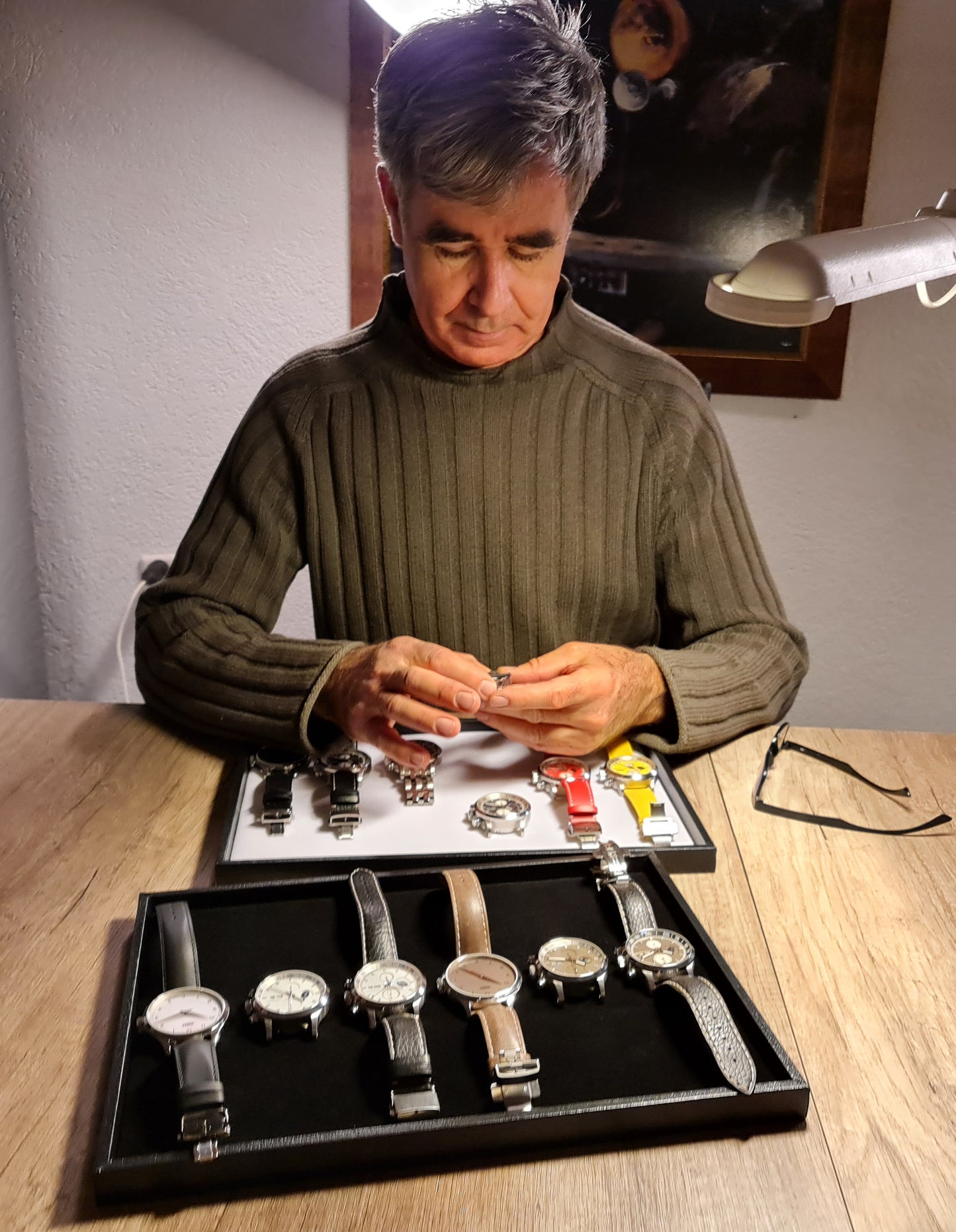
MSW Field Pure Design
MSW Field Pure Design
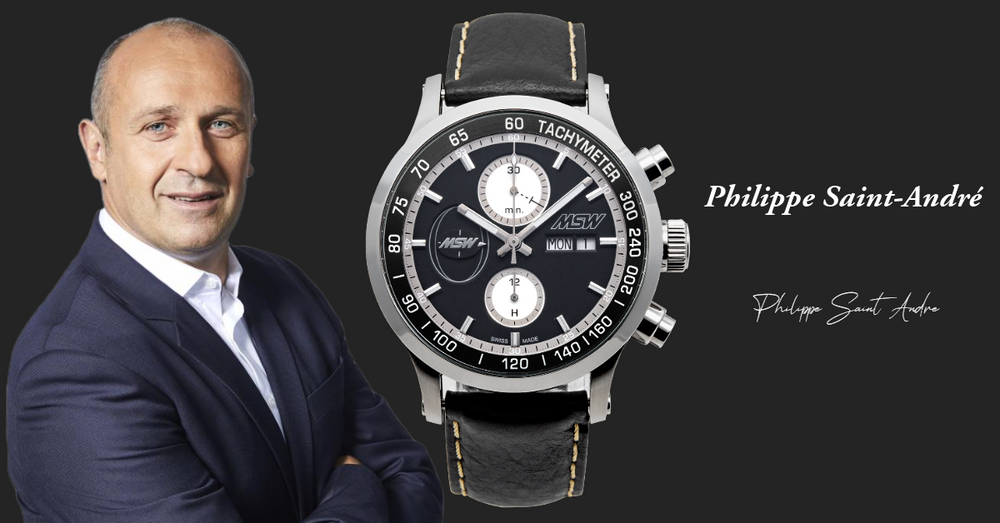
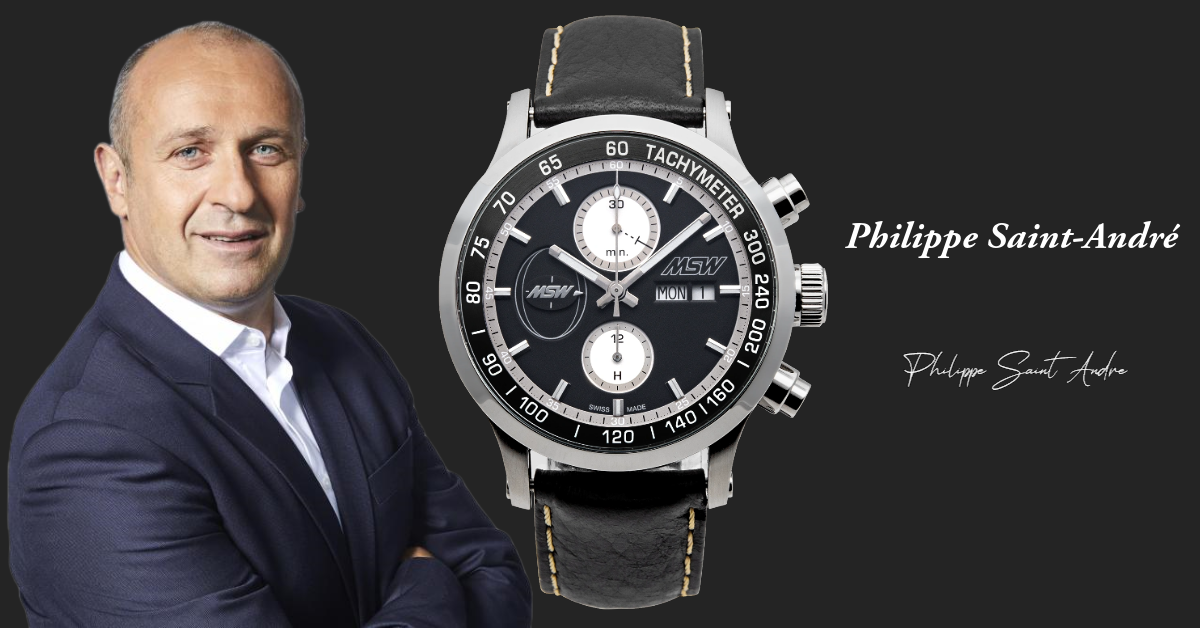
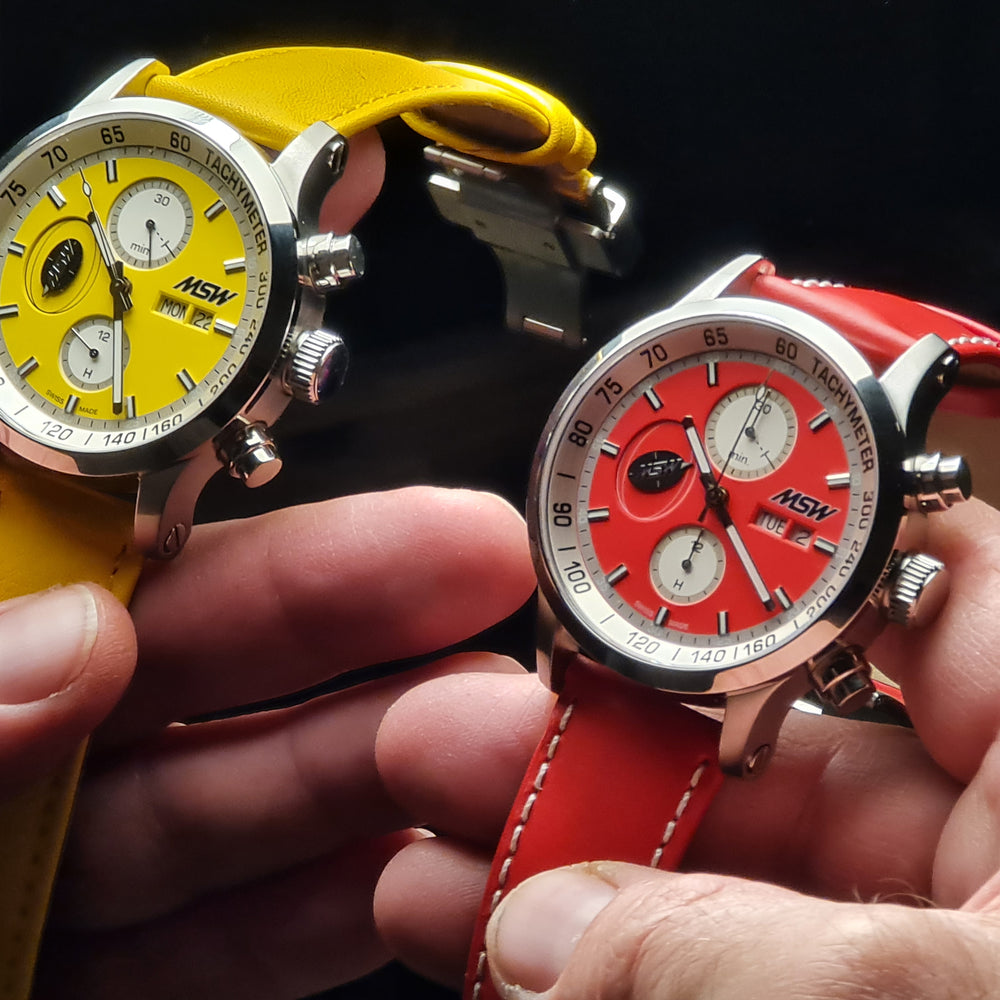
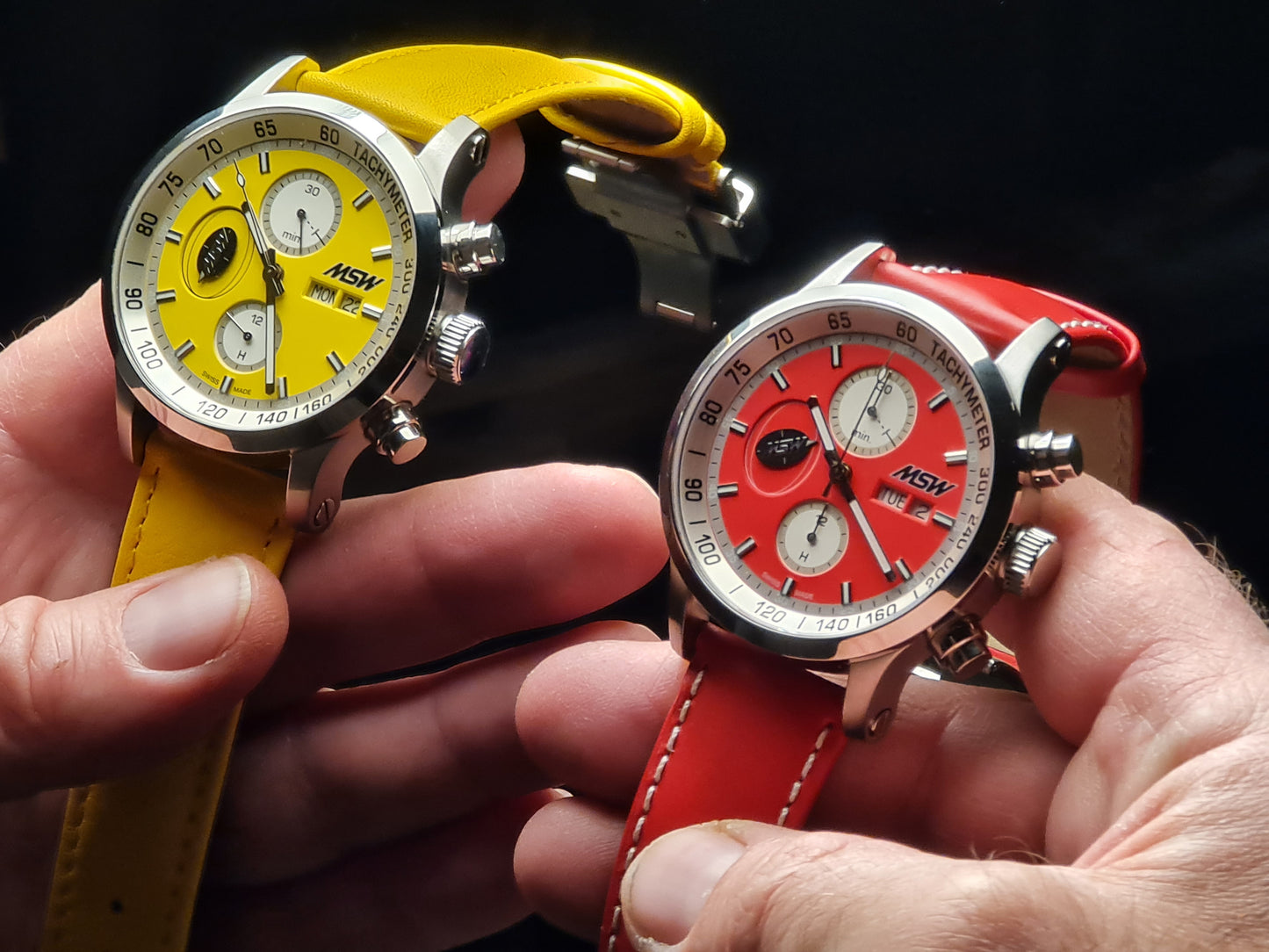
For Rugby enthusiasts:
40 minutes and 40 meters


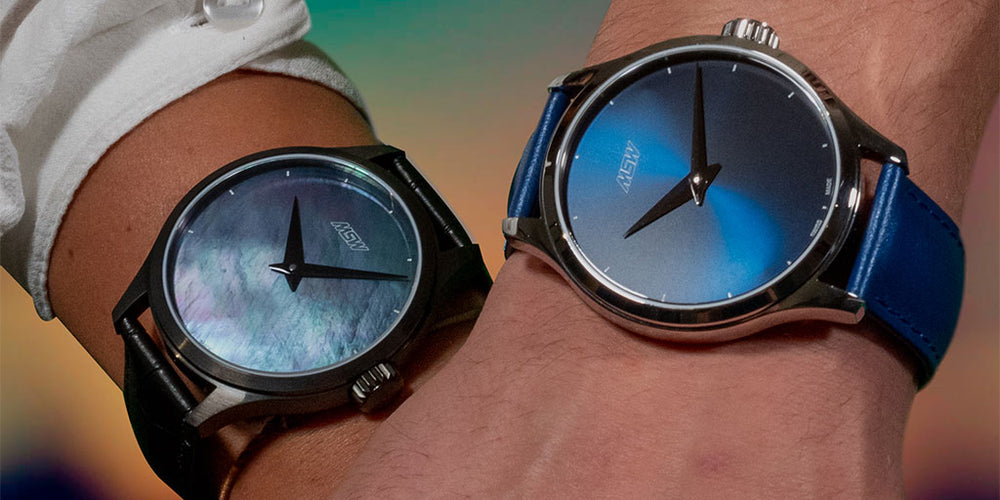
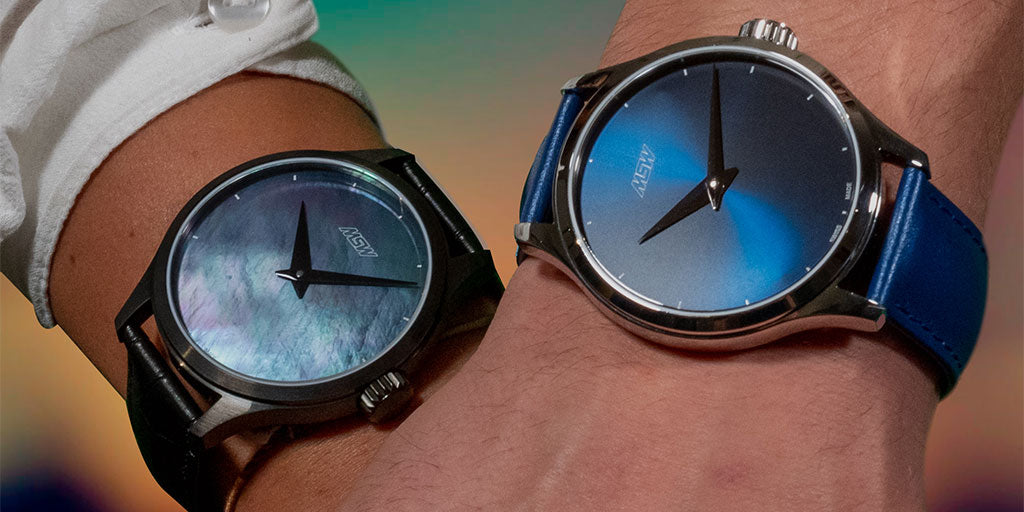
MSW Field Mother of Pearl
MSW Field Mother of Pearl
MSW Field Mother of Pearl
MSW Field Mother of Pearl
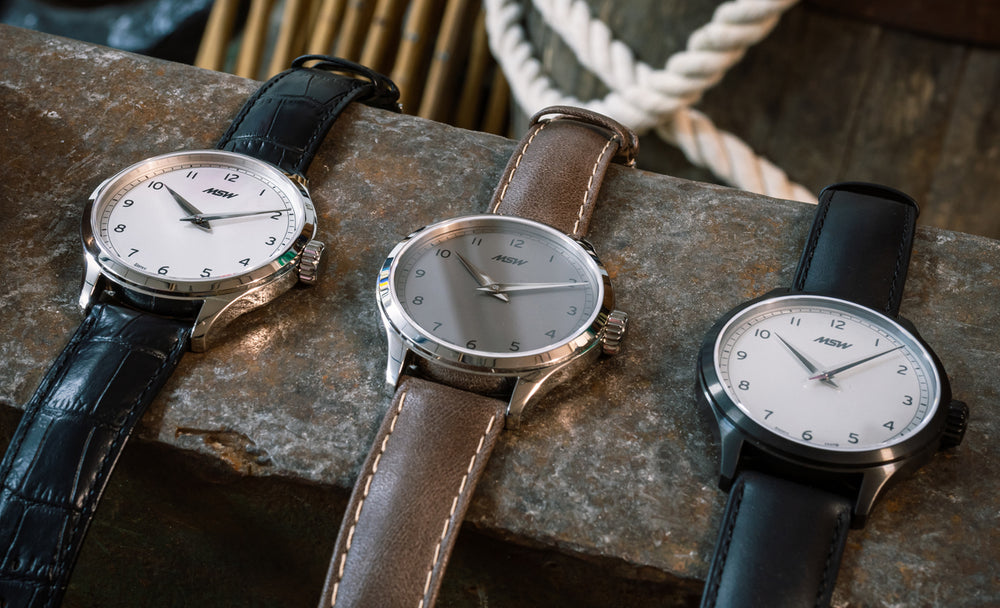
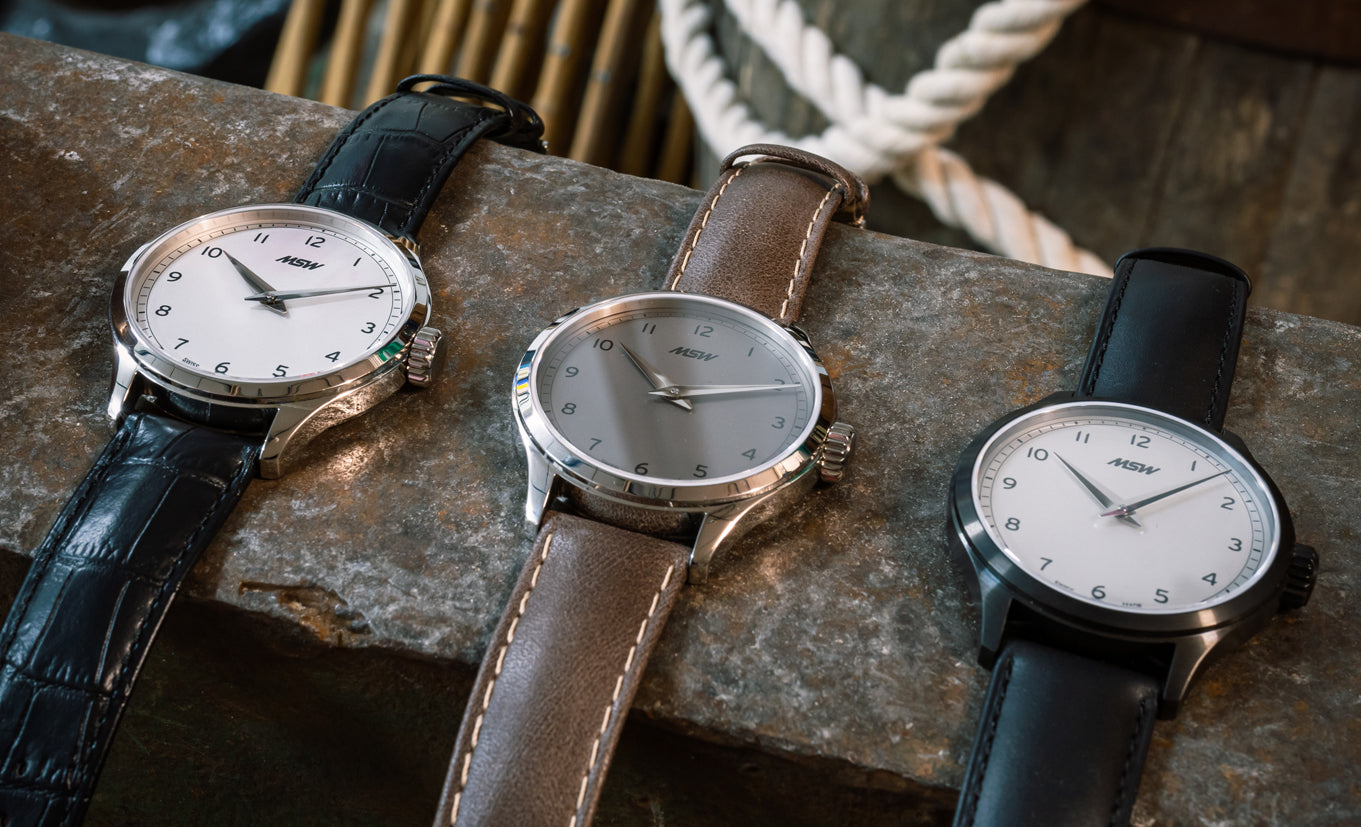
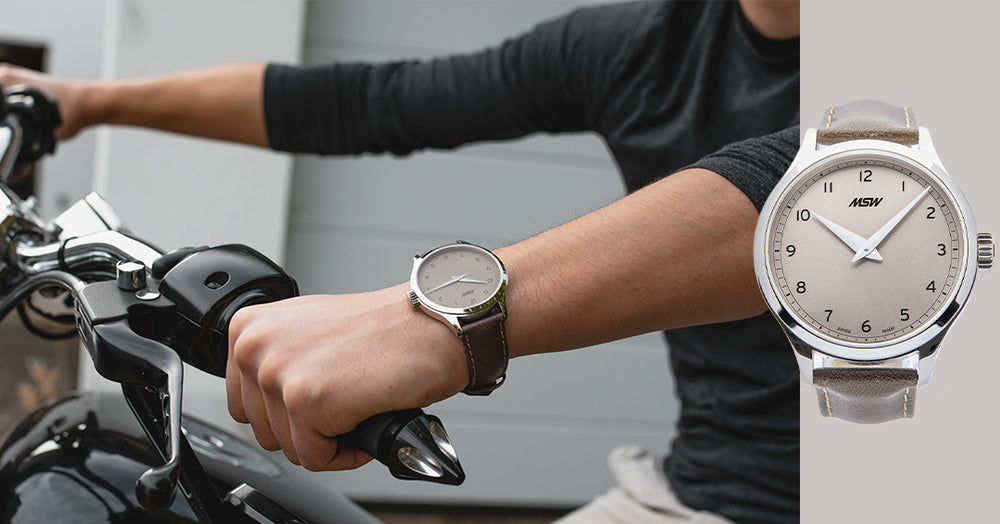
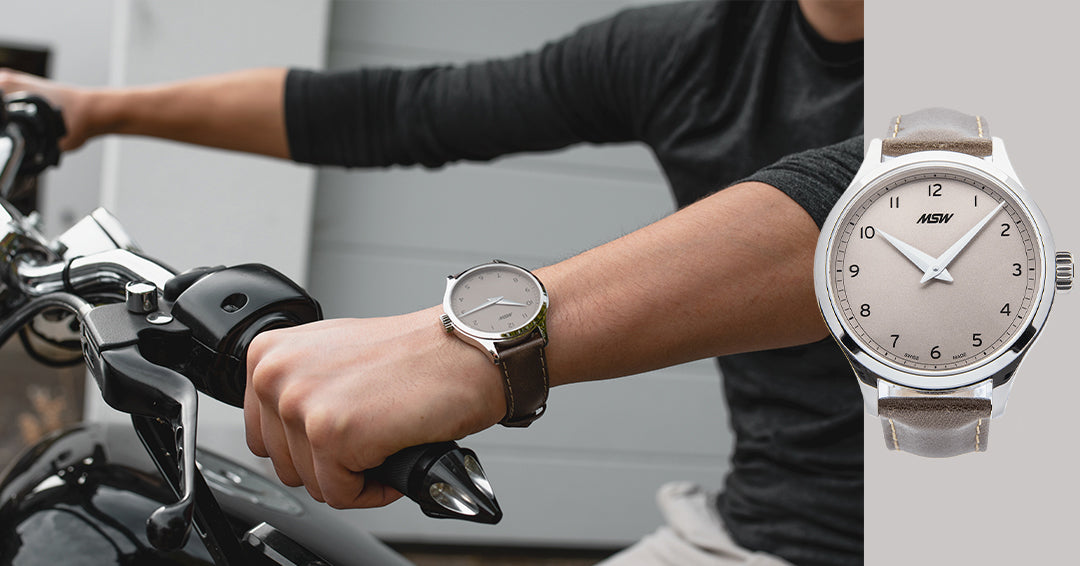



Here on the official MSW My Swiss Watch website!
Buy directly from the Swiss manufacturer and discover watchmaking excellence combined with Swiss tradition. Without intermediaries or additional costs, treat yourself to a watch of exceptional quality, crafted in the cradle of watchmaking.
Here on the official MSW My Swiss Watch website!
Buy directly from the Swiss manufacturer and discover watchmaking excellence combined with Swiss tradition. Without intermediaries or additional costs, treat yourself to a watch of exceptional quality, crafted in the cradle of watchmaking.
Your MSW My Swiss Watch will be delivered to the address of your choice worldwide.
Your MSW My Swiss Watch will be delivered to the address of your choice worldwide.
Standard shipping is free. However, you can choose from different options for faster delivery and insurance.
Taxes and customs fees will be levied by the country to which your MSW My Swiss Watch will be delivered.
Standard shipping is free. However, you can choose from different options for faster delivery and insurance.
Taxes and customs fees will be levied by the country to which your MSW My Swiss Watch will be delivered.
MSW My Swiss Watch offers a lifetime warranty on all its watches, subject to free servicing every 60 months, exclusively at MSW My Swiss Watch. Our confidence in our products is such that we guarantee them for life. At MSW My Swiss Watch, the quality and durability of our watches are our top priority, and our lifetime warranty is the ultimate proof of our commitment to our customers.
MSW My Swiss Watch offers a lifetime warranty on all its watches, subject to free servicing every 60 months, exclusively at MSW My Swiss Watch. Our confidence in our products is such that we guarantee them for life. At MSW My Swiss Watch, the quality and durability of our watches are our top priority, and our lifetime warranty is the ultimate proof of our commitment to our customers.
At MSW My Swiss Watch, we offer you a lifetime warranty on all our watches, accompanied by free lifetime maintenance. To benefit from this exclusive offer, simply have your watch serviced every 60 months at our premises. Our commitment to the quality and durability of our products is such that we are confident in being able to offer you this lifetime guarantee. Trust MSW My Swiss Watch for watches that last a lifetime.
At MSW My Swiss Watch, we offer you a lifetime warranty on all our watches, accompanied by free lifetime maintenance. To benefit from this exclusive offer, simply have your watch serviced every 60 months at our premises. Our commitment to the quality and durability of our products is such that we are confident in being able to offer you this lifetime guarantee. Trust MSW My Swiss Watch for watches that last a lifetime.
MSW My Swiss Watch Sarl
Bas-du-Village 7c
2336 Les Bois JURA
Switzerland
Telephone: +41 (0)32 540 00 26


Are you having a problem? It also becomes ours. We will resolve it as quickly as possible.


Our website is 100% secure via SSL protocols and online payments are encrypted by PostFinance Switzerland.


We prepare your packages with care and deliver them worldwide with comprehensive insurance.
14 days right of return